Why Retention is Your #1 Revenue Driver
BuildStability Strategy Guide
The Hidden Gold Mine: Client Retention
Did you know that increasing client retention by just 5% can boost profits by 25-95%? This landmark finding comes from Harvard Business Review's research on customer retention (Reichheld & Sasser, 1990). Read the study
Key Insights from Harvard Business Review (Reichheld & Sasser, 1990): The groundbreaking "Zero Defections" study revealed that customer retention is the single most powerful driver of profitability for service-based businesses. For personal trainers and fitness studios, the research showed that reducing client defections by just 5% can increase profits by 25-95%. The study demonstrated that acquiring a new client costs 5 to 25 times more than retaining an existing one—making retention the most cost-effective growth strategy for service businesses. For personal trainers specifically, long-term clients become significantly more profitable over time. A client who trains consistently for 12 months generates 3-4x more revenue than three new clients who each stay for only 3 months. The research found that retained clients require less onboarding time, refer others at 3x the rate of new clients, and are willing to pay premium prices for proven results. In service-based businesses like personal training, where relationships drive revenue, customer lifetime value increases exponentially with retention—making it the foundation of sustainable business growth.
Why Retention Beats Acquisition:
• Cost: Acquiring a new client costs 5-7x more than retaining an existing one • Revenue: Long-term clients spend 67% more than new clients • Referrals: Retained clients are 3x more likely to refer friends • Stability: Predictable recurring revenue beats one-time sales
Proven Client Retention Strategies:
1. Set Clear Expectations from Day One
• Conduct a thorough initial assessment to understand their goals, limitations, and preferences • Establish realistic timelines for results (avoid overpromising) • Clearly communicate your training style, program structure, and policies • Document everything so you can reference it later
2. Track Progress Consistently
• Measure more than just weight—track strength gains, energy levels, sleep quality, and mood • Take progress photos and body composition measurements regularly • Celebrate small wins along the way (not just big milestones) • Show clients their progress visually so they can see their transformation
3. Maintain Regular Communication
• Check in between sessions (not just during workouts) • Respond to messages within 24 hours • Ask about their life, not just their training • Remember personal details (birthdays, work stress, family events) • Send motivational messages when they're struggling
4. Personalize Every Interaction
• Adjust programs based on their feedback and progress • Modify exercises if they're experiencing pain or discomfort • Offer flexibility when life gets busy (shorter sessions, home workouts) • Recognize that each client's journey is unique
5. Build a Supportive Community
• Introduce clients with similar goals to each other • Create group challenges or accountability partnerships • Celebrate client achievements publicly (with permission) • Foster a sense of belonging beyond just the training session
6. Address Problems Immediately
• Don't wait for clients to complain—proactively check in if you notice engagement dropping • Ask open-ended questions: "How are you feeling about your program?" • Offer solutions, not excuses • Be willing to adjust your approach if something isn't working
7. Provide Value Beyond Training
• Share nutrition tips, sleep advice, or stress management strategies • Offer educational resources (articles, videos, workshops) • Help them understand the "why" behind exercises, not just the "how" • Position yourself as a wellness coach, not just a workout instructor
The First 60 Days Are Critical:
Research shows that most client churn happens in the first 60 days. This is when clients are still building habits and may feel overwhelmed. Extra attention during this period significantly improves long-term retention. For personal trainers, this means scheduling more frequent check-ins, being more flexible with program adjustments, and providing extra support during the habit-forming phase.
Real-World Impact for Personal Trainers:
Consider a trainer with 20 clients paying $200/month. If they lose 4 clients per year (20% churn rate), that's $9,600 in lost annual revenue. But if they improve retention by just 5% (losing 3 instead of 4), they save $2,400 annually. More importantly, those retained clients refer others—research shows each long-term client refers an average of 1.2 new clients per year. This compounding effect means better retention doesn't just protect revenue—it accelerates growth.
Why Service-Based Businesses Struggle with Retention:
Unlike product businesses, service-based businesses like personal training face unique retention challenges: • No physical product - Clients can't "see" what they're paying for until results appear • Time-intensive - Requires consistent commitment from both trainer and client • Relationship-dependent - Success hinges on personal connection and trust • Habit formation - Clients must build new routines, which takes 60-90 days • Life disruptions - Work stress, family events, and schedule changes can derail progress
Understanding these challenges helps trainers proactively address them before clients leave.
BuildStability's Approach:
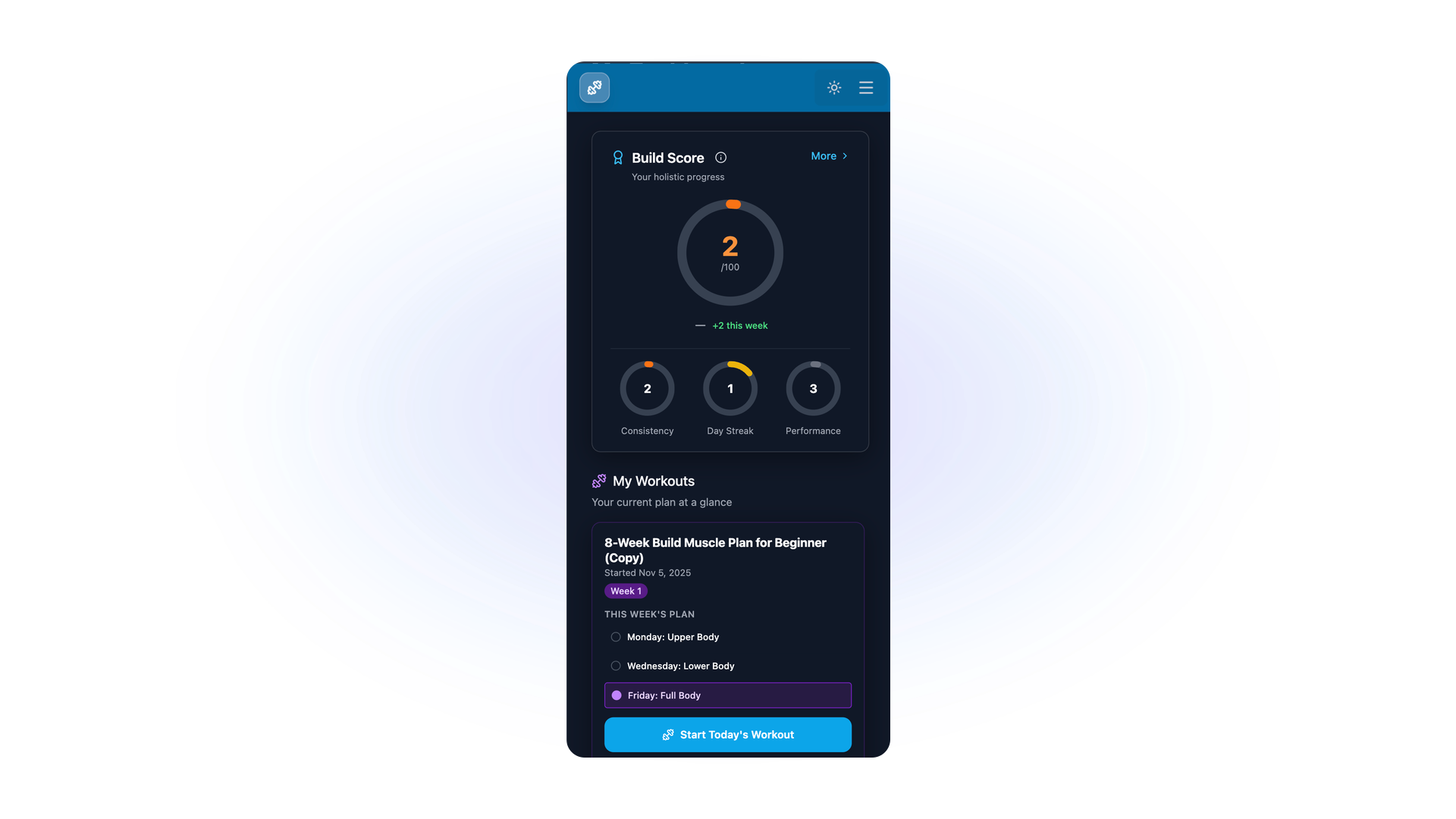
We help you spot at-risk clients BEFORE they leave, so you can take action early. Our engagement score and AI insights give you the data you need to keep clients training. Track engagement patterns, identify warning signs, and get personalized suggestions for re-engaging clients who are starting to disengage. This early intervention is critical—research shows that clients who haven't trained in 7+ days are at the highest risk of permanent churn.